
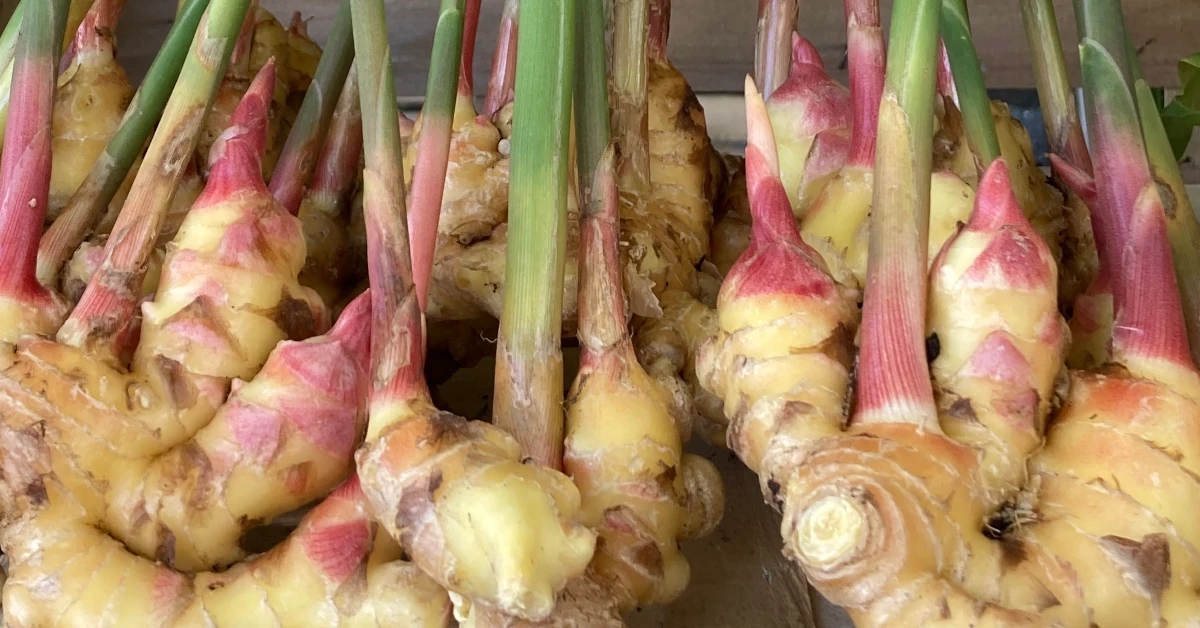
Zingiber officinale: rhizoma
Part used: root
Ginger has been in continuous culinary and medicinal use from ancient times to the present day. It has made its way into traditional recipes and cures the world over and can be found in most kitchen cabinets.
The two outstanding medicinal qualities of ginger are warming and drying. This makes it very useful for cold damp conditions within the body. The warming (mildly stimulating) action of ginger is often described as diffusive; it moves from the capillaries though the venous structure, to the heart and back again. The warmth it brings helps to relax tense muscles, relieve the pain of spasms throughout the gastrointestinal tract and the female reproductive system.
The drying or astringent action of ginger tones up mucus membranes and dries up excess fluids. Ginger is a traditional remedy for diarrhoea that addresses the discomfort and pain of associated symptoms such as cramping and excess gas. Additionally, ginger positively regulates the intestinal microbiome and improves nutrient absorption and assimilation.
“Ginger, as a kind of food and medicine, has many functions, such as antioxidant, anti-inflammatory, antimicrobial, anticancer, antiobesity, antidiabetic, antinausea, antiemetic, antiallergic, neuroprotective, hepatoprotective, cardiovascular protective, and respiratory protective activities.” 1
Ginger root contains over 400 chemical compounds.
Considering how long ginger has been in use it is unsurprising how much research confirms its range of health benefits. Recent research into male fertility reports that ginger can help increase sperm count, viability and motility.2
Some of the most researched bio-active compounds include:
- Gingerols: pungent, aromatic with too many health benefits to list
- Shogaols: stronger compounds formed by drying
- Zingerone: formed by heating/cooking, brings out the sweetness
Fresh or dried?
Fresh ginger: Strong, pungent, fast acting but with short-lived effects; perfect for colds, flu, chest congestion/infection, food poisoning or to induce sweating.
Dried ginger: Less intense than fresh ginger but has longer lasting benefits. Ideal for sluggish or upset digestion, gastrointestinal congestion, to aid recovery and build energy.
Ancient Greeks ate pieces of ginger wrapped in bread (gingerbread) following a large meal to assist digestion.
Fresh ginger tea is is a popular go-to for morning/motion sickness and digestive upsets due to stress, anxiety and nervousness. When heat is applied to fresh or dried ginger the gingerol is transformed into zingerone, which is antimicrobial, antioxidant and anti-inflammatory.
Ginger moves the blood to the peripheries by widening blood vessels; thereby increasing blood flow and oxygen to the tissues. Its diffusive heat relaxes contracted muscles, eases congestion and lowers blood pressure.
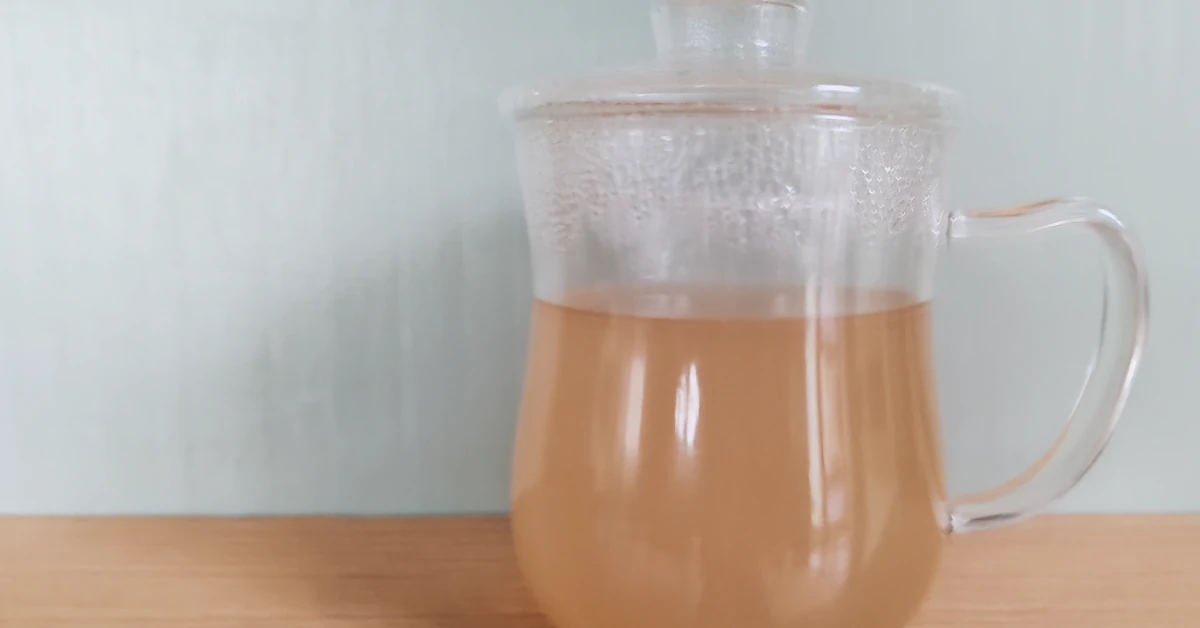
Instant Ginger Tea
Ingredients:
- 1/4 -1/2 tsp Ginger powder
- 1 cup of boiled water
- 1 tsp. Honey
Directions:
- Place the ginger powder in a clean dry cup.
- Add hot water and stir well.
- Cover to retain the volatile oils and let sit for 5 minutes.
- Add honey and stir again.
- Let settle, sip and enjoy.
Use Ginger as Food and Medicine
Using a little ginger daily in foods and drinks is a tasty way to support your overall good health: digestive system, circulatory system, immune system, respiratory system, reproductive system, and muscular system.
If you are consistently using ginger you only need it in small amounts.
Ginger is considered safe for children, adults and during pregnancy with due attention to dosage. Caution is advised if you are on blood thinners, anticoagulants or have gallstones.
Ginger is often used to offset the nausea from chemotherapy. However, ginger should be avoided when blood platelet counts drop dramatically.
Coming soon! Ways to use ginger as food and medicine
References
- Liu Y, Liu J, Zhang Y. Research Progress on Chemical Constituents of Zingiber officinale Roscoe. Biomed Res Int. 2019 Dec 20;2019:5370823. doi: 10.1155/2019/5370823. PMID: 31930125; PMCID: PMC6942719. Available at: https://pmc.ncbi.nlm.nih.gov/articles/PMC6942719/#sec3 (accessed: 18/09/26)
- Banihani SA. Effect of ginger (Zingiber officinale) on semen quality. Andrologia. 2019 Jul;51(6):e13296. doi: 10.1111/and.13296. Epub 2019 Apr 22. PMID: 31012134. Available at: https://pubmed.ncbi.nlm.nih.gov/31012134/ (accessed: 23/09/26)